
3 Wool Weight Picks and a Guide to Yarn Sizes From Lace to Jumbo in 2026
As an Amazon Associate, this website earns from qualifying purchases.
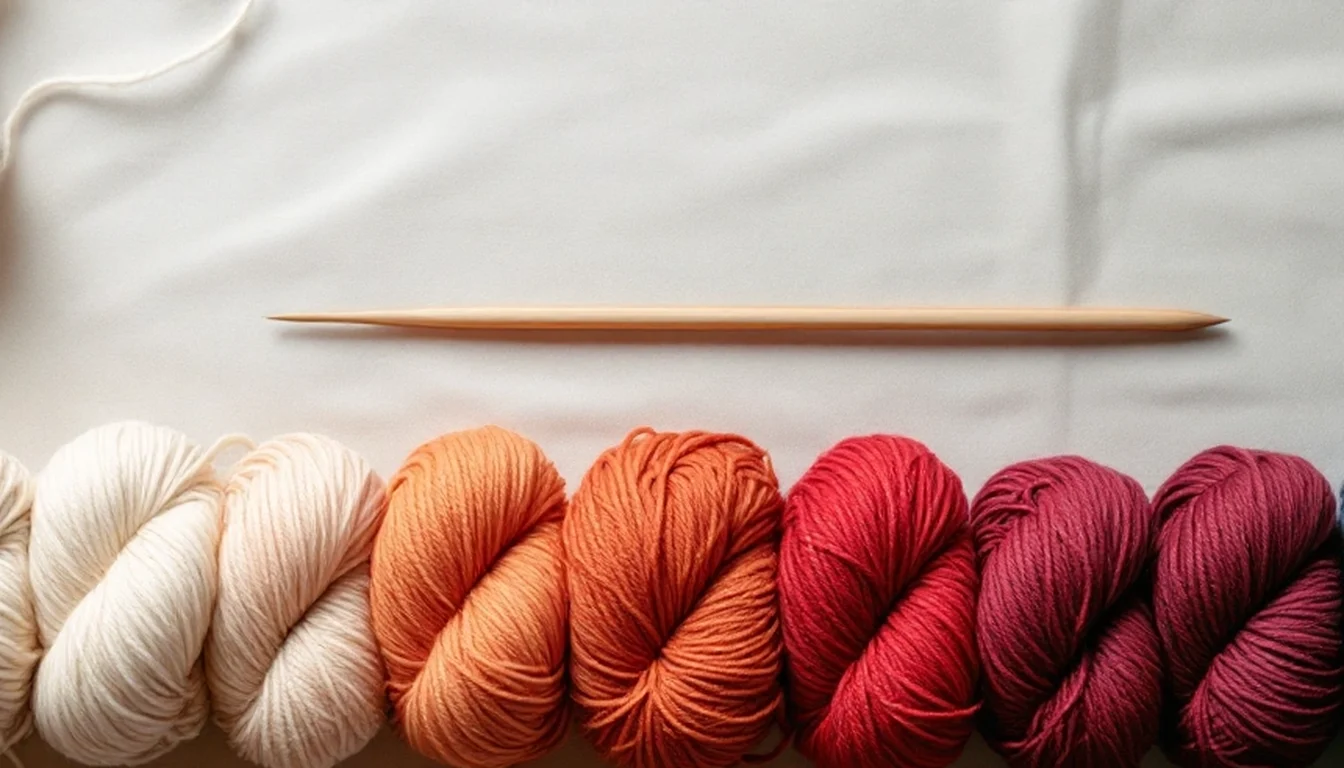
The short answer
Wool weights run from lace to jumbo; match the number on the label to your pattern, then let your swatch set the needle size.
Sections10
- #1. Knit Picks Wool of the Andes Worsted: Best overall
- #2. Clover Swatch Ruler and Needle Gauge: Best tool
- #3. DROPS Big Merino (aran): Best machine-washable wool
- Factors to consider when choosing a wool weight
- What Wool Weights Mean
- The Standard Wool Weights, Lightest to Heaviest
- Ply Names Around the World
- Wool Weights vs. Wool Grades
- Wool Weights FAQ
- Verdict on Wool Weights
Our top 3 picks
- 1Best overall
 Knit Picks Wool of the Andes Worsted
- 100% wool, worsted weight
- 100 yards per 50 g ball
- 4.5 to 5 stitches per inch on US 6 to 9 needles
- 2Best tool
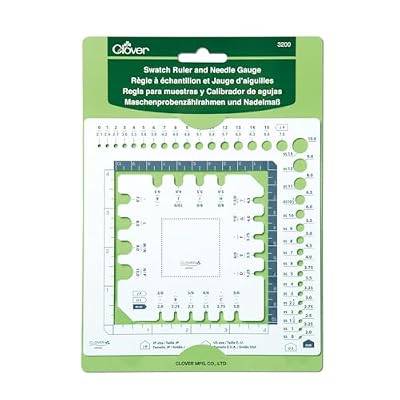 Clover Swatch Ruler and Needle Gauge
- 4-inch (10cm) ruler window for measuring a gauge swatch
- Holes size knitting needles and notches size crochet hooks
- Sizes listed in metric, US and Japanese standards
- 3Best machine-washable wool
 DROPS Big Merino (Aran)
- 100% superwash merino wool
- Aran weight, recommended on a US 8 (5mm) needle
- About 82 yards per 50 g ball
Wool weights, also called yarn weights or yarn sizes, describe how thick a yarn is. They have nothing to do with how heavy a ball is on a scale. The weight tells you which needles to use, how many stitches you will get per inch, and which patterns will work.
#1. Knit Picks Wool of the Andes Worsted: Best overall
Knit Picks Wool of the Andes Worsted
Our verdict:
Best overall
Best for learning on the easiest yarn weight for a beginner.
View on Amazon- 100% wool, worsted weight
- 100 yards per 50 g ball
- 4.5 to 5 stitches per inch on US 6 to 9 needles
Keep in mind: Hand wash only.
Product details checked September 2026
Knit Picks Wool of the Andes, a worsted weight wool, is the easiest weight to learn on.
#2. Clover Swatch Ruler and Needle Gauge: Best tool
Clover Swatch Ruler and Needle Gauge
Our verdict:
Best tool
Best for checking unmarked needles and measuring a swatch before starting a project.
View on Amazon- 4-inch (10cm) ruler window for measuring a gauge swatch
- Holes size knitting needles and notches size crochet hooks
- Sizes listed in metric, US and Japanese standards
Keep in mind: The 4-inch window is small for measuring very bulky swatches.
Product details checked September 2026
The Clover Swatch Ruler and Needle Gauge checks needle sizes and measures your swatch.
#3. DROPS Big Merino (aran): Best machine-washable wool
Our verdict:
Best machine-washable wool
Best for sweaters and kids' wear that need to go in the wash.
View on Amazon- 100% superwash merino wool
- Aran weight, recommended on a US 8 (5mm) needle
- About 82 yards per 50 g ball
Keep in mind: Small 50 g balls mean more ends to weave in on a big project.
Product details checked September 2026
DROPS Big Merino is a 100% superwash merino at the heavy end of medium weight, labeled aran, on US 8 needles. It goes in the washing machine, unlike most untreated wool.
Factors to consider when choosing a wool weight
- Start with the pattern. It names a weight and a gauge. Use the same weight.
- Match the gauge. Two yarns in one category can still knit differently. Check the gauge on the label.
- Think about the fabric. Lighter weights drape. Heavier weights are warm and stiff.
- Think about time. Heavier weights knit up faster. A super bulky blanket can be done in a weekend. A fingering-weight shawl takes much longer.
- Swatch. Knit and wash a small square, then adjust your needle size to hit the pattern's gauge.
Beginners usually find a medium, worsted weight wool the easiest to start with. The stitches are easy to see, and the needles are a comfortable size.
What Wool Weights Mean
A yarn's weight is its thickness. Thin yarn gives many small stitches per inch and a light, fine fabric. Thick yarn gives a few big stitches and a warm, heavy fabric.
The Craft Yarn Council weight system gives each weight a number and a symbol. Most US yarn labels show that symbol. Each category also has a typical gauge and needle size range. These ranges are guidelines only. Your pattern's gauge always comes first.
The Standard Wool Weights, Lightest to Heaviest
Here are the knitting gauge ranges (stitches per 4 inches in stockinette) and needle sizes from the Craft Yarn Council chart:
- 0, Lace: 33 to 40 stitches. Needles 1.5-2.25mm (US 000-1). Used for fine lace shawls, often on bigger needles than the chart suggests.
- 1, Super fine (sock, fingering, baby): 27 to 32 stitches. Needles 2.25-3.25mm (US 1-3). Socks, shawls and light baby clothes.
- 2, Fine (sport, baby): 23 to 26 stitches. Needles 3.25-3.75mm (US 3-5). Light sweaters and baby wear.
- 3, Light (DK, light worsted): 21 to 24 stitches. Needles 3.75-4.5mm (US 5-7). Sweaters, hats and colorwork. See our DK yarn weight guide.
- 4, Medium (worsted, afghan, aran): 16 to 20 stitches. Needles 4.5-5.5mm (US 7-9). The classic beginner weight. See our aran weight yarn guide.
- 5, Bulky (chunky, craft, rug): 12 to 15 stitches. Needles 5.5-8mm (US 9-11). Quick hats and cozy sweaters.
- 6, Super bulky (roving): 7 to 11 stitches. Needles 8-12.75mm (US 11-17). Fast blankets and chunky accessories.
- 7, Jumbo (roving): 6 stitches or fewer. Needles 12.75mm and larger (US 17 and up). Giant blankets and arm knitting.
The Craft Yarn Council has also announced an updated system that includes a size 8, for the very thickest yarns.
Ply Names Around the World
Older patterns, and patterns from the UK, Australia and New Zealand, often use ply names instead:
- 2 ply and 3 ply: roughly lace to light fingering.
- 4 ply: roughly fingering, category 1.
- 8 ply: DK, category 3.
- 10 ply: aran, category 4.
- 12 ply: roughly bulky, category 5.
Ply names once counted the strands twisted together. Today they are simply weight names. A modern 8 ply yarn may have fewer than eight strands, so go by the gauge, not the strand count.
Wool Weights vs. Wool Grades
Two other "weights" can confuse a search. Wool grades measure how fine the fiber is, usually in microns. Finer grades feel softer. Our merino guide explains why merino's fine fibers feel so soft.
Clothing brands also talk about fabric weight, meaning how heavy a garment's fabric is. Neither is the same as a knitting yarn weight.
Wool Weights FAQ
What are the standard wool weights?
Lace (0), super fine (1), fine (2), light (3), medium (4), bulky (5), super bulky (6) and jumbo (7), with a newer size 8 in the Craft Yarn Council's updated system.
Is worsted the same as aran?
Both sit in category 4, medium. Aran is slightly thicker than worsted.
What does 8 ply mean?
It is the Australian and New Zealand name for DK weight yarn, category 3.
Which wool weight is best for beginners?
Medium, worsted weight is the usual pick. It is easy to see and handle on US 7-9 needles.
Verdict on Wool Weights
Wool weights run from lace to jumbo, and each category comes with a typical gauge and needle size. Match the number on your yarn label to your pattern, check the gauge, and let a washed swatch set your final needle size. Once you know the wool weights, choosing yarn for any pattern gets much easier.