
3 Best Yarns to Start With: Yarn Types and Where to Buy Yarn in 2026
The short answer
Buy your first yarn where you can touch it, learn to read the label, and use online shops once you know what you like.
Sections10
- #1. Premier Yarns Anti-Pilling Everyday Worsted: Best first yarn to buy
- #2. Lion Brand Jeans Yarn Minis, assorted seven-pack: Best for trying many colors
- #3. Symfonie Viva hand-dyed merino DK: Best step up to hand-dyed yarn
- Factors to consider when choosing your first yarn
- Where to Buy Yarn: Your Main Options
- More in this guide
- How to Read a Yarn Label in Any Shop
- Buying Tips That Save Money and Mistakes
- Yarn Buying FAQ
- Verdict on Where to Buy Yarn
Our top 3 picks
- 1Best first yarn to buy
 Premier Yarns Anti-Pilling Everyday WorstedView at Premier YarnsRead our analysis
- 2Best for trying many colors
 Lion Brand Jeans Yarn Minis, assorted seven-packView at Lion BrandRead our analysis
- 3Best step up to hand-dyed yarn
 Symfonie Viva hand-dyed merino DKView at Symfonie YarnsRead our analysis
Buying yarn gets easier once you know two things: what kind of yarn your project needs, and which kind of shop is best for finding it. A local yarn store, a big craft chain and an online shop each do different jobs well. This guide covers both halves, so you walk in, or log on, knowing what to look for.
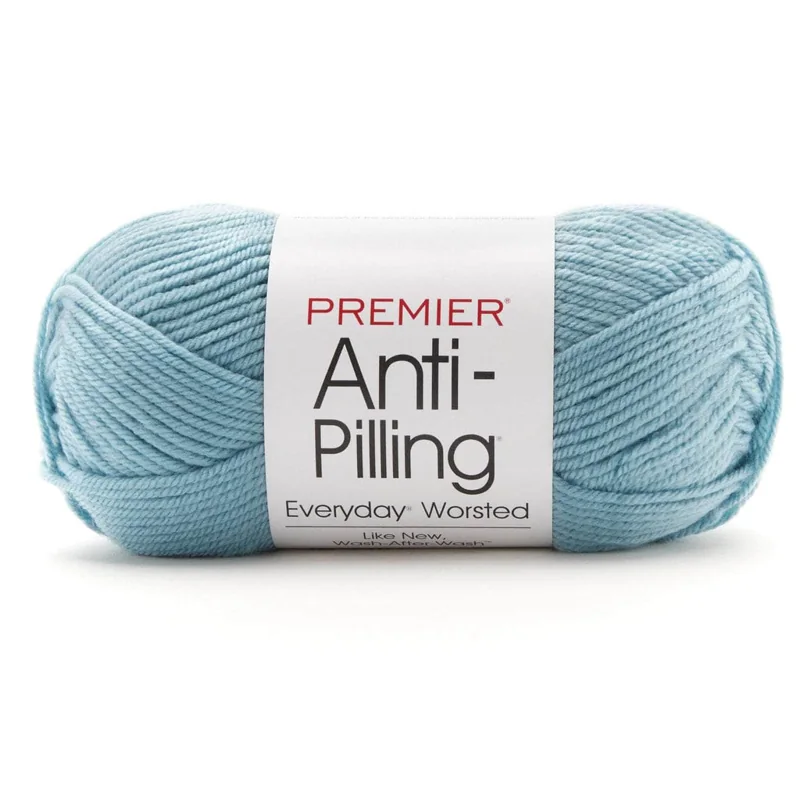
#1. Premier Yarns Anti-Pilling Everyday Worsted: Best first yarn to buy
Premier Yarns Anti-Pilling Everyday Worsted
Our verdict:
Best first yarn to buy
Best for a first scarf, hat or blanket that will be washed often.
View at Premier YarnsKeep in mind: Acrylic does not block or breathe like wool.
A smooth, washable acrylic worsted is the easiest yarn to learn on and costs little.
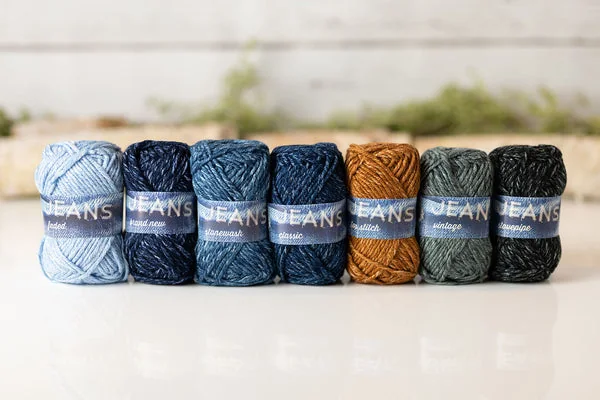
#2. Lion Brand Jeans Yarn Minis, assorted seven-pack: Best for trying many colors
Lion Brand Jeans Yarn Minis, assorted seven-pack
Our verdict:
Best for trying many colors
Best for small multicolor projects and practice swatches.
View at Lion BrandKeep in mind: 20 g balls suit small projects; they are too small for a one-color garment.
Lion Brand Jeans Yarn Minis combines seven 20 g balls of worsted acrylic in different colors. Each ball has 49 yards, which suits stripes and small practice pieces rather than a full garment in one color.
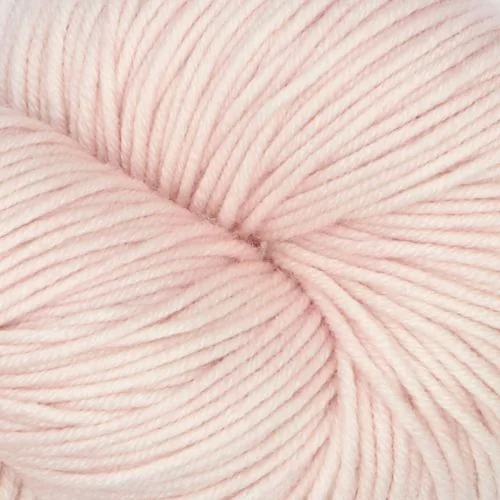
#3. Symfonie Viva hand-dyed merino DK: Best step up to hand-dyed yarn
Symfonie Viva hand-dyed merino DK
Our verdict:
Best step up to hand-dyed yarn
Best for hand-dyed color on a soft merino DK base.
View at Symfonie YarnsKeep in mind: hand-dyed skeins vary; alternate skeins on larger projects.
Symfonie Viva is a hand-dyed merino DK yarn with tonal and varied colors. Alternate skeins on larger work so differences between hand-dyed batches do not form an abrupt stripe.
Factors to consider when choosing your first yarn
- Weight. Worsted weight is the easiest to learn on and the most common in beginner patterns.
- Fiber. Acrylic is cheap and washable. Wool is springy and forgiving of uneven tension.
- Color. A smooth, light yarn shows every stitch. Save dark or fuzzy yarn for later.
- Yardage. Compare yards per ball, not price per ball.
- Dye lot. Buy all the yarn for one project at once.
Where to Buy Yarn: Your Main Options
Local yarn stores. Independent yarn shops are the best place to learn. You can squeeze the yarn, see true colors and ask staff about a pattern. Many stock wool and alpaca, plus hand-dyed yarns you will not find in big stores. Many also run classes and knit nights, which is a big help for a beginner.
Craft store chains. Big craft chains carry lots of acrylic and cotton yarn, plus wool blends, at lower prices. They are handy for a first scarf or a blanket. The range of natural fibers is usually smaller.
Online yarn shops. Online you get the widest range of brands and weights, and the most colors. You cannot feel the yarn first, so it works best once you know a brand or fiber. Look for shops that clearly list yardage and gauge, along with fiber content.
Indie dyers. Small dyers sell hand-dyed yarn online and at fiber festivals. Colors are often one-of-a-kind. Our hand dyed yarn guide explains how to buy it well.
Mill and brand shops. Some yarn makers sell direct. That can be a good way to get a full range of colors in one dye lot.
More in this guide
These guides cover the yarns readers shop for most:
- DK yarn weight: the light, all-round weight for sweaters, baby things and socks.
- Extra bulky yarn: very thick yarn for fast blankets and chunky hats.
- Merino wool aran: soft wool in the classic cable-sweater weight.
- Worsted weight acrylic yarn: the budget workhorse for blankets and learning.
- Variegated yarn: multicolor yarn and how to keep it from pooling.
- Black yarn: how to pick and knit dark yarn without losing your stitches.
- Bulk yarn: when buying yarn in bulk saves money, and when it does not.
For the heavier cable weights, see our aran weight yarn guide.
How to Read a Yarn Label in Any Shop
Every ball band carries the facts you need. Check these before you buy:
- Weight: often shown as a numbered symbol, starting at 0 for lace, on the Craft Yarn Council weight system. Match it to your pattern.
- Fiber: wool or cotton, acrylic, or a blend. Fiber changes warmth and stretch, and how you wash it.
- Yardage and weight: how many yards are in the ball, and how many grams. Buy by yards.
- Gauge and needle size: the suggested stitches per 4 inches and needle size.
- Care: machine wash or hand wash, or dry clean only.
- Dye lot: a code for the dye batch. Buy all your yarn for one project from the same lot.
If you are still choosing needles, our guide to knitting needles for beginners matches needle sizes to yarn weights.
Buying Tips That Save Money and Mistakes
- Buy the whole project at once. A new dye lot later may not match.
- Buy one extra ball. It covers a gauge change or a longer sweater. Many shops accept returns on unused balls, but check first.
- Start with a light, smooth yarn. Dark, fuzzy or novelty yarn hides your stitches while you learn.
- Compare by yards, not price per ball. A cheaper ball may simply hold less yarn.
- Feel before you buy big. Try a single ball before you order yarn for a whole sweater.
Yarn Buying FAQ
Is a local yarn store more expensive than a craft chain?
Often, yes, because local stores stock more natural fibers and hand-dyed yarn. Craft chains are cheaper for acrylic and blends.
What yarn should a beginner buy?
A smooth, light-colored worsted weight yarn in wool or acrylic. It is easy to see and forgiving to knit.
Is it safe to buy yarn online?
Yes, once you know the weight and fiber you want. Check yardage and gauge before you order, and read the returns policy.
What is a dye lot?
A code for the batch the yarn was dyed in. Colors can differ slightly between lots, so buy one lot per project.
Verdict on Where to Buy Yarn
Buy your first yarns where you can touch them, at a local yarn store or a craft chain. Learn to read the label, from weight and fiber to yardage and dye lot. Then use online shops, indie dyers and bulk packs for more choice once you know what you like.
Our picks in this topic
3 picks
3 Best Black Yarn Picks and How to Knit With Them in 2026
How to choose black yarn by fiber, weight and shade, how to actually see your stitches while you knit it, which projects suit it, and how to wash it.
3 picks
3 Best Extra Bulky Yarn Picks for Fast Projects in 2026
What extra bulky yarn means, super bulky vs. jumbo, the needle sizes and gauge to expect, fiber and chainette options, and the projects it suits best.
3 picks
3 Best Merino Wool Aran Picks to Check Before You Buy in 2026
What merino wool aran yarn is, superwash vs. non-superwash, what to check on the label, and the sweaters, hats and cables it knits best.
3 picks
3 Best Worsted Weight Acrylic Yarns in 2026
Why worsted weight acrylic yarn is the go-to budget yarn, how brands differ, what to check before you buy, the projects it suits, and how to care for it.
3 picks
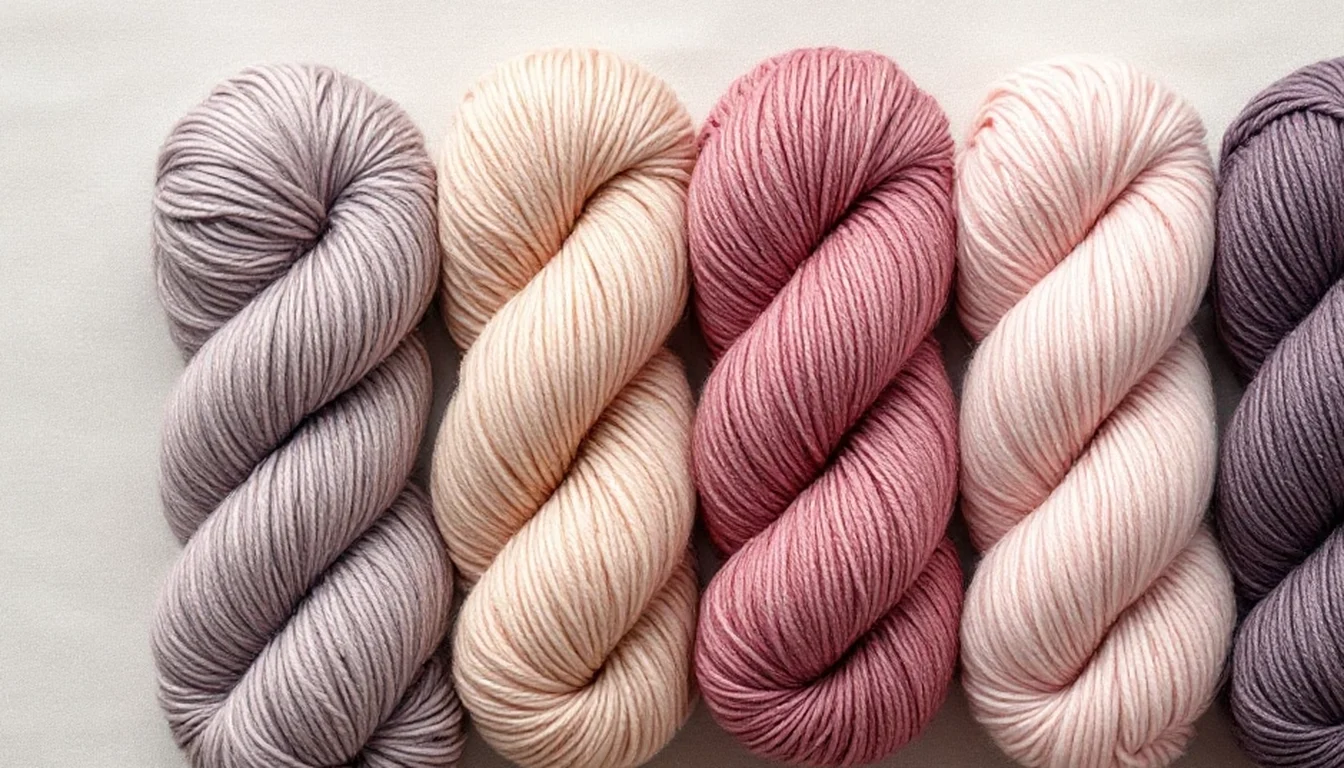
3 Best DK Weight Yarns: Gauge, Needles and Swaps in 2026
What DK yarn weight means, its standard gauge and needle size, how it compares to sport and worsted, how to spot DK without a label, and what to knit with it.
3 picks
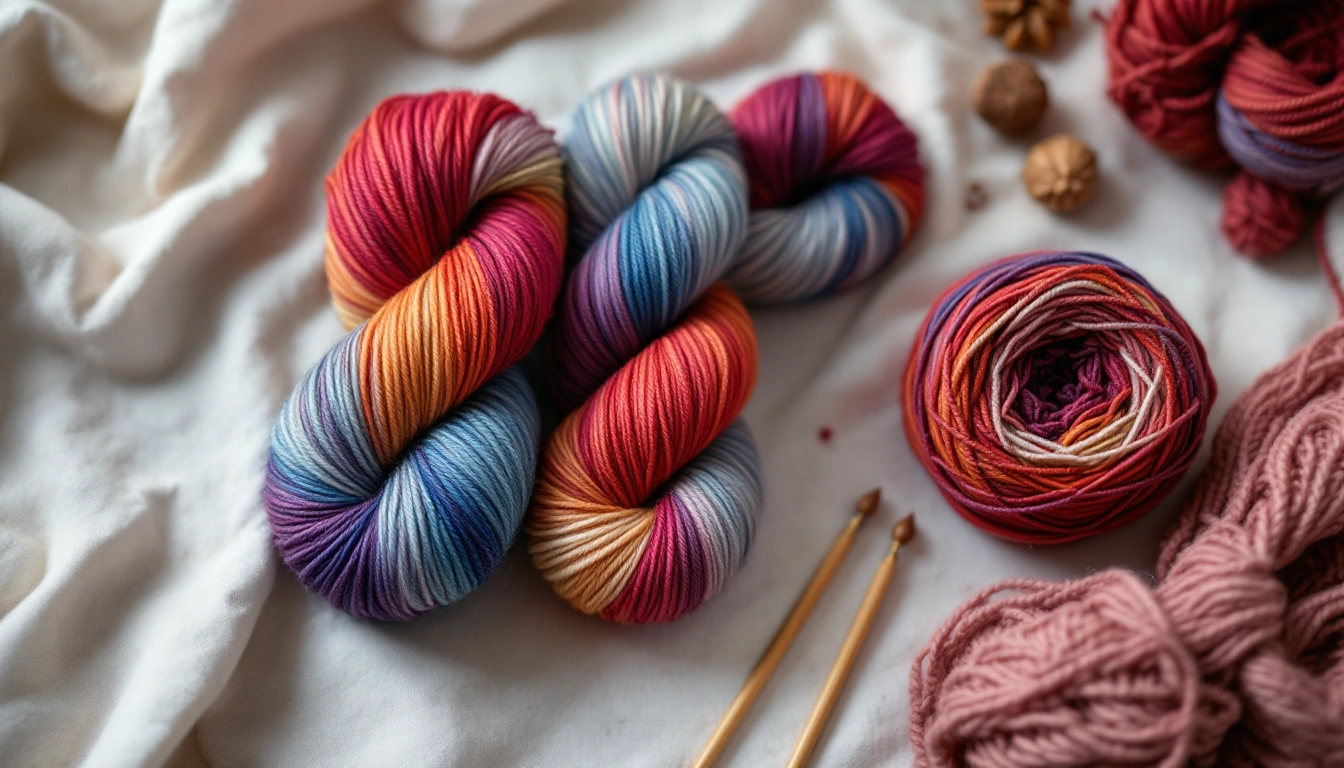
3 Best Variegated Yarns and How to Stop Pooling in 2026
What variegated yarn is, how it differs from tonal, speckled and self-striping yarn, why it pools, which stitches suit it, and what to check before you buy.
3 picks
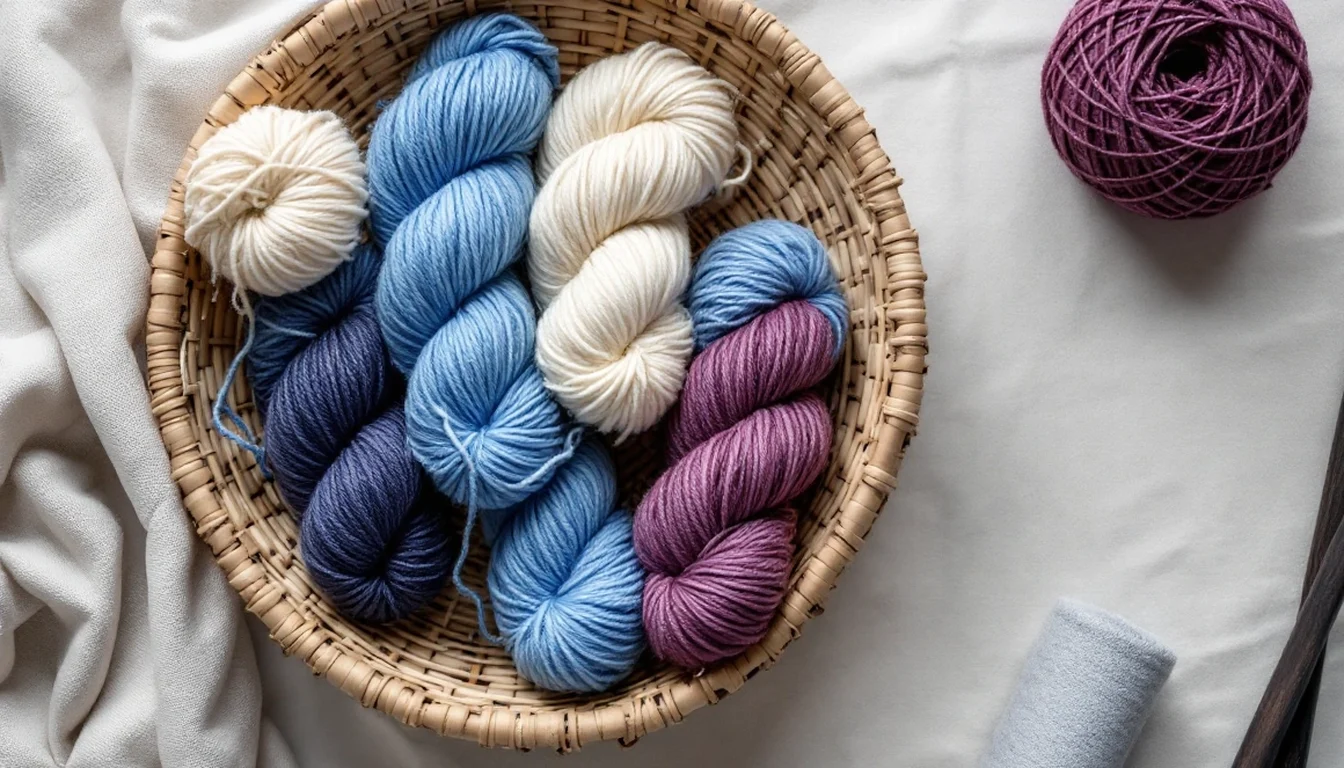
3 Best Bulk Yarn Buys and When Bulk Pays Off in 2026
The ways to buy bulk yarn (value packs, mill ends, cones, wholesale lots), when it really saves money, the pitfalls to avoid, and how to store it.