
Wool Guide for Knitters: How the Fiber Works and Why It Matters
What wool is, how its scales and crimp shape the way it knits, why it felts, woollen vs. worsted spinning, the wool types knitters meet most, and how to care for wool.
Sections8
Wool is the fiber most knitting traditions grew up with. It is warm and springy, it holds a shape, and it forgives uneven stitches better than almost any other fiber. Knowing a little about how wool works explains why your swatch grows after washing, why a sweater can felt in the machine, and why some wool feels soft while other wool itches.
The short answer: wool is a natural protein fiber, mostly from sheep, made of keratin. Its outer scales let it felt with heat, water and rubbing, and its natural wave, called crimp, gives it bounce and warmth. For knitting, wool is warm and elastic, and it blocks into shape well. Hand wash regular wool, and choose superwash if you need machine washing.
What Wool Is
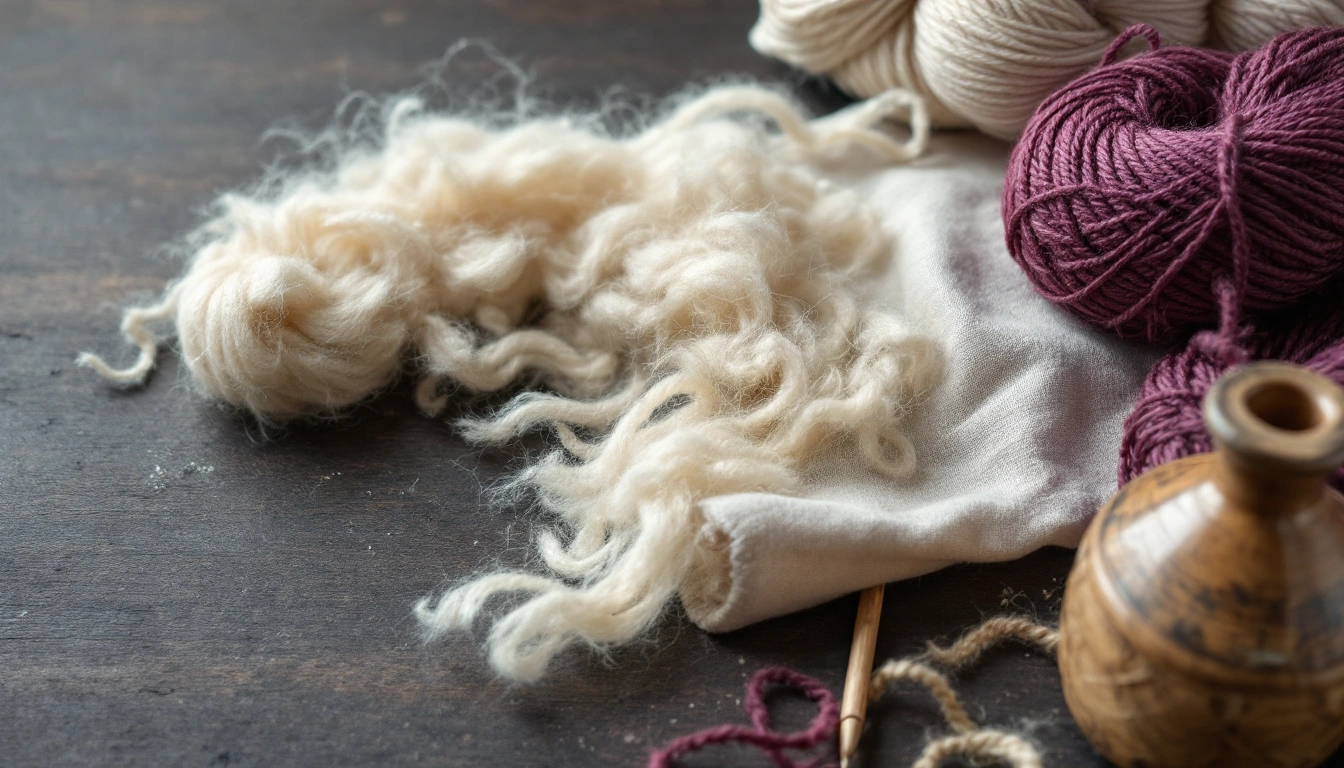
Wool is the fleece that grows on sheep, sheared once a year or so and spun into yarn. Like human hair, it is made of a protein called keratin. The word wool can also cover other animal fibers, like alpaca or goat hair, but on a yarn label it usually means sheep's wool.
Wool is renewable, since sheep grow a new fleece every year. It is also biodegradable. Those are two reasons some knitters prefer it to synthetic yarn.
How the Wool Fiber Is Built
Each wool fiber has an outer layer called the cuticle. The cuticle is made of tiny overlapping scales, a bit like shingles on a roof. The scales help shed light rain and protect the inner fiber.
Under the cuticle is the cortex, which gives wool its strength and bend. Wool fibers also have crimp, a natural wave along their length. Crimp does two useful jobs. It traps air, which makes wool warm. It also acts like a tiny spring, so wool fabric stretches and bounces back.
Fiber width matters too. Fine wools like merino feel soft. Coarser wools feel crisper and can itch, but they wear hard and show stitches sharply.
Why Wool Felts (and How to Stop It)
Felting happens when heat, water and rubbing work together. The scales on each fiber catch on the scales of its neighbors and lock together. The fabric shrinks and thickens, and it cannot be undone.
That is great if you want to felt a bag or slippers on purpose. It is a disaster if it happens to a sweater. To avoid it:
- Hand wash in cool or lukewarm water. Keep the temperature steady.
- Do not rub or wring. Press the water out gently.
- Dry flat, away from direct heat.
- Choose superwash wool if you need machine washing. Superwash wool is treated so the scales no longer lock.
From Sheep to Yarn: Woollen vs. Worsted Spinning
After shearing, the fleece is cleaned to remove dirt and lanolin, the natural grease. Then it is prepared and spun. Two main systems do this.
The worsted system combs the fibers so they lie parallel. It makes a smooth, strong yarn with crisp stitch definition. Many commercial knitting yarns are spun this way.
The woollen system cards the fibers into a fluffy web, so they point every which way. It makes a light, airy yarn that traps more air. It is warm and slightly fuzzy, like many traditional tweeds.
Do not confuse the worsted system with worsted weight. Worsted weight is a yarn thickness. Our wool weights guide explains the weight system.
Wool Types Knitters Meet Most
- Merino: very fine and soft. Great next to the skin.
- Bluefaced Leicester: soft with a lustrous sheen and good drape.
- Shetland and other rustic wools: crisp and warm, and good for colorwork, since the stitches grip each other.
- Superwash wool: any wool treated to resist felting, so it can go in the machine.
- Wool blends: wool mixed with nylon for strength, or with acrylic for easy care and a lower cost.
Many hand-dyed yarns use a wool base. Our hand dyed yarn guide covers them.
Caring for Wool Knits
Wool needs less washing than you might think. It resists odors, so airing a sweater between wears is often enough. When you do wash it, use cool water and a wool wash, press out the water in a towel, and dry it flat.
Store clean wool in a sealed bag or box. Moths go after animal fibers, especially when they are stored dirty.
Wool FAQ
What is wool made of?
Wool is made of keratin, a protein, like human hair. It grows as the fleece of sheep and some other animals.
Why does wool itch?
Coarser wool fibers can poke the skin. Finer wools like merino bend instead, so they feel soft.
Can wool go in the washing machine?
Only superwash wool, on a cool, gentle cycle. Regular wool can felt and shrink.
What is the difference between woollen and worsted yarn?
Worsted-spun yarn is combed smooth and strong. Woollen-spun yarn is carded and airy, and it feels lighter and warmer.
Verdict on Wool for Knitting
Wool is a warm, springy protein fiber that knitters have trusted for centuries. Its scales explain why it felts, and its crimp explains why it bounces back and keeps you warm. Pick the wool type to suit the project, hand wash regular wool gently, and reach for superwash when a piece must survive the washing machine.