
3 Best Needle Cases to Keep Your Needles Organized in 2026
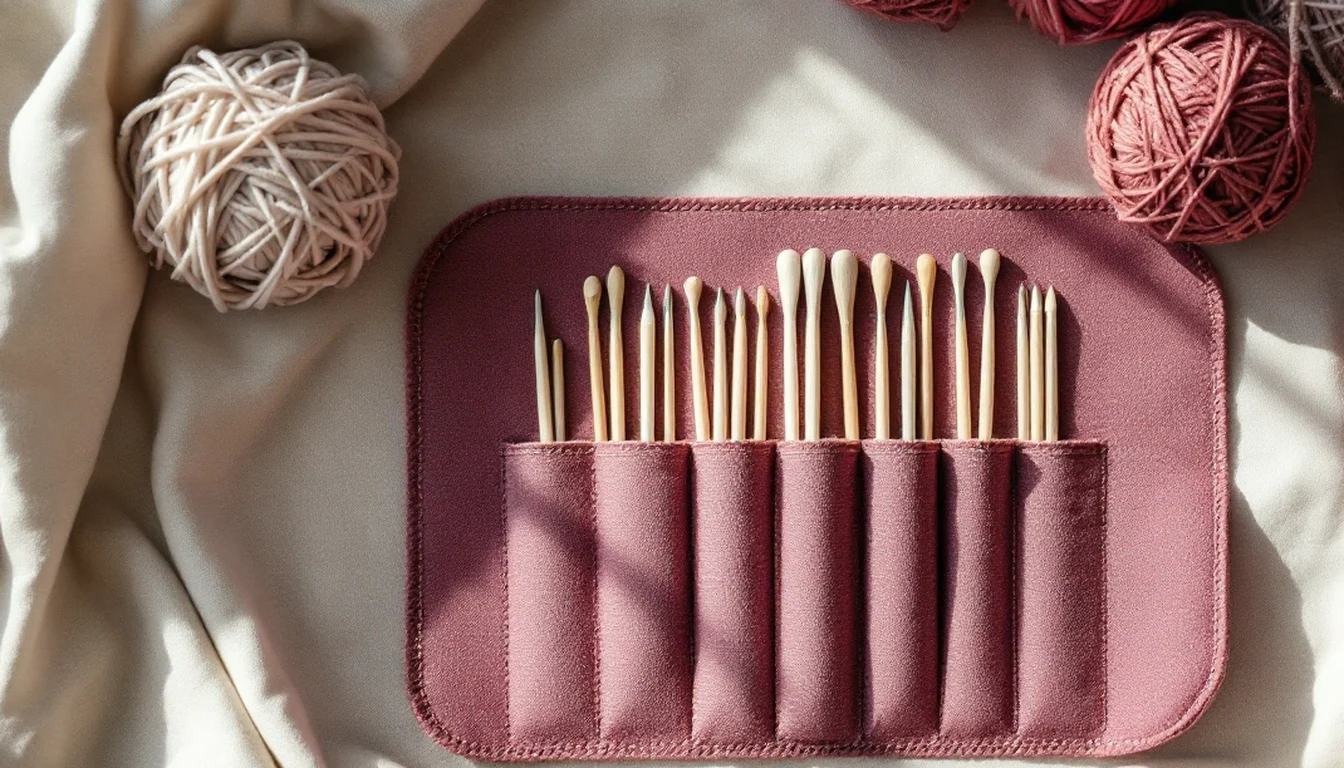
The short answer
A roll-style case with individual, labeled slots is the simplest, most versatile choice for most knitters.
Sections9
- #1. Prym knitting needle storage roll and organizer: Best overall
- #2. Prym knitting needle zippered case: Best for circulars
- #3. Clover knitting needle tube case: Best for long needles
- Factors to consider when choosing a needle case
- What a Needle Case Actually Needs to Do
- Roll Cases vs. Zip Cases vs. Hard Cases
- How to Size a Case to Your Collection
- Needle Case FAQ
- Our Verdict
Our top 3 picks
- 1Best overall
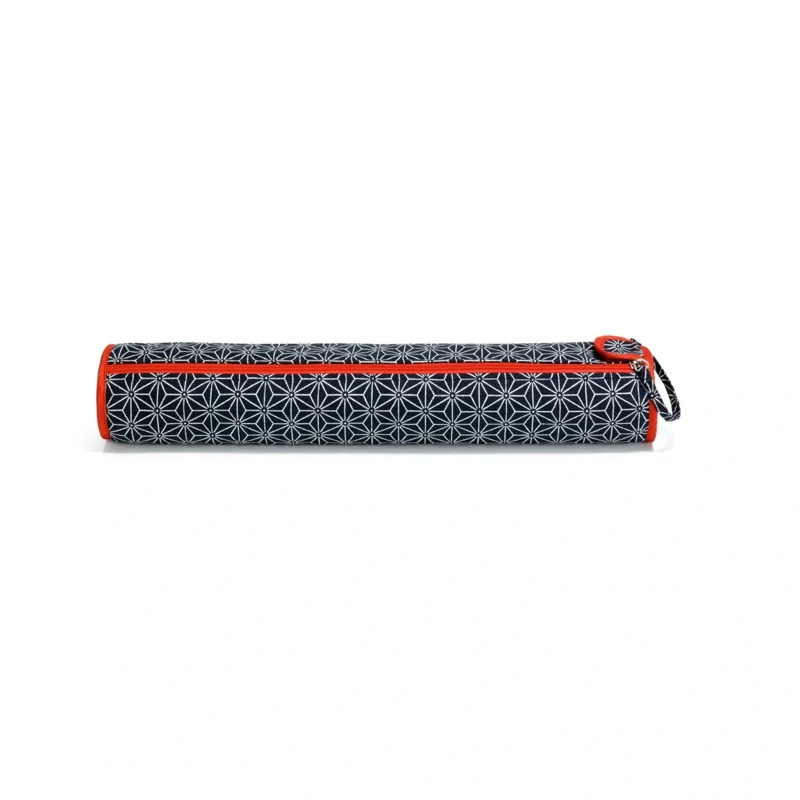 Prym knitting needle storage roll and organizerView at PrymRead our analysis
- 2Best for circulars
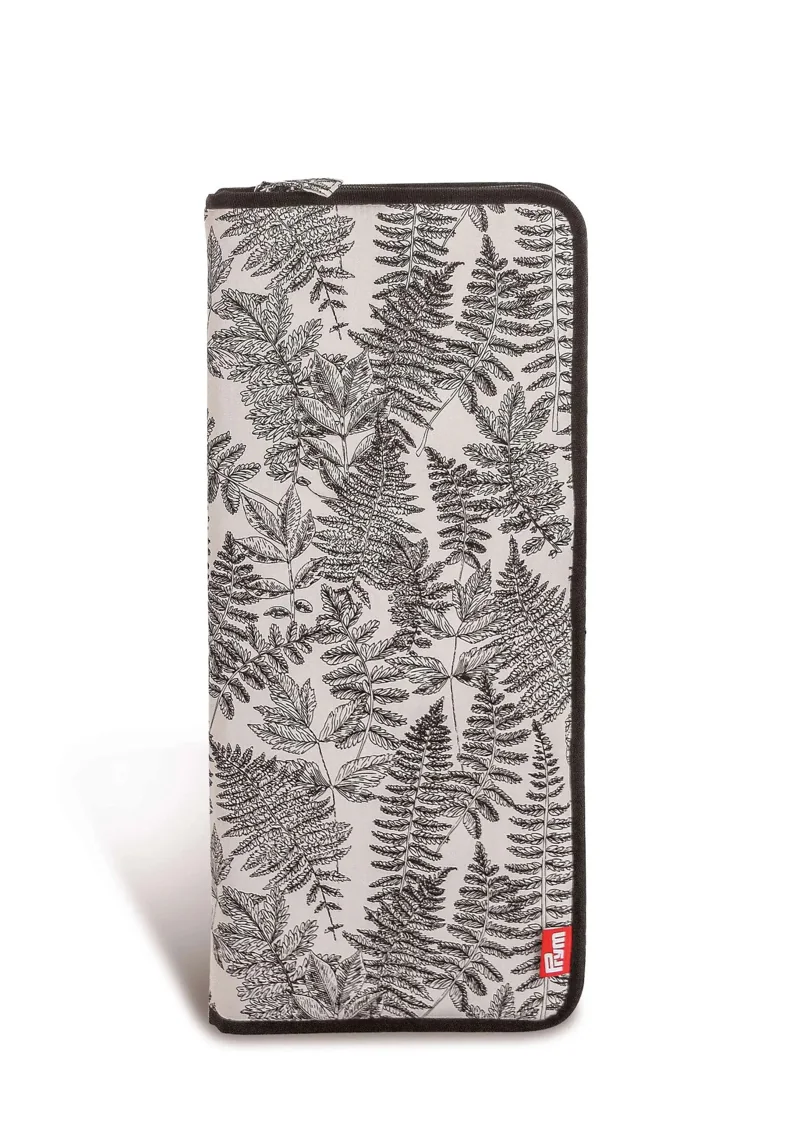 Prym knitting needle zippered caseView at PrymRead our analysis
- 3Best for long needles
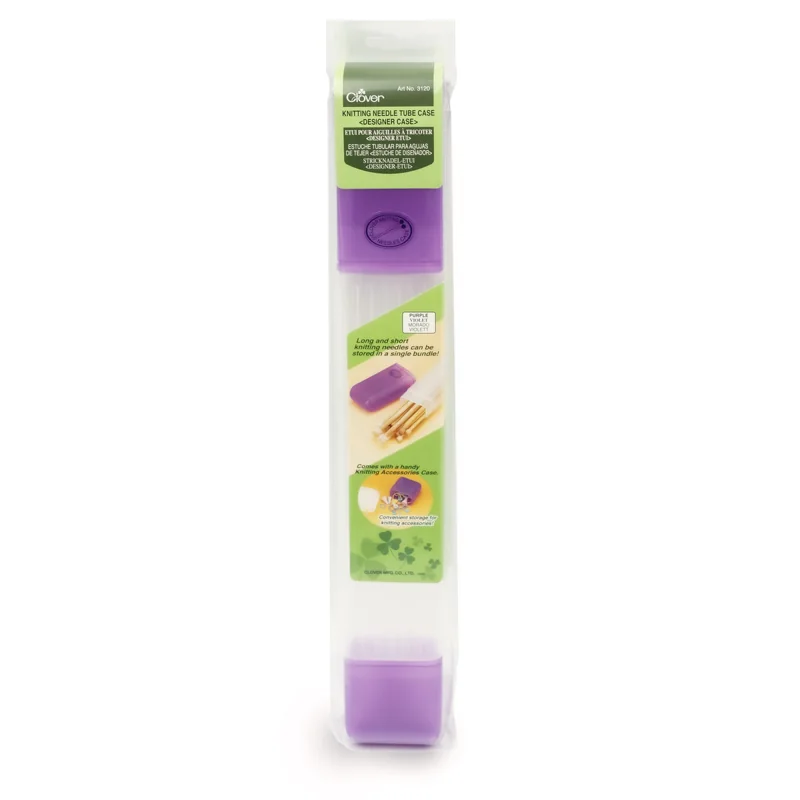 Clover knitting needle tube caseView at CloverRead our analysis
A needle case keeps a growing needle collection from turning into a tangled drawer. Once you own more than a pair or two, a case pays for itself the first time you find the exact size you need without digging.
Pick a case shape by the needle types you actually own, not by the most popular style.
#1. Prym knitting needle storage roll and organizer: Best overall
Prym knitting needle storage roll and organizer
Our verdict:
Best overall
Best for organizing knitting needles and small accessories in a roll.
View at PrymKeep in mind: check your longest needles against the case dimensions before buying.
The Prym knitting needle storage roll keeps needles and small accessories together. Check its dimensions against the longest needles in your collection before buying.
#2. Prym knitting needle zippered case: Best for circulars
Prym knitting needle zippered case
Our verdict:
Best for circulars
Best for keeping interchangeable tips and cables together.
View at PrymKeep in mind: check the case layout and dimensions for your own collection.
The Prym knitting needle zippered case keeps tips and coiled cables together. Check its internal layout against your interchangeable collection; long straight needles may need a different case.
#3. Clover knitting needle tube case: Best for long needles
Clover knitting needle tube case
Our verdict:
Best for long needles
Best for storing long straight needles up to 14 inches in one case.
View at CloverKeep in mind: check your longest needles against its 14-inch capacity.
The Clover knitting needle tube case holds straight needles up to 14 inches long together. It also has a small accessory compartment at the bottom; check the length against your longest needles before buying.
Factors to consider when choosing a needle case
- What you store. Straight needles need a long roll or case. Interchangeable tips and cables need small pockets or a zip case.
- Length. Check the longest needle the case holds before you buy.
- Pockets. Labeled or sized pockets make it quick to find the right needle.
- Material. Canvas and waxed canvas wear well. Thin fabric can let sharp tips poke through.
- Closure. A zip keeps small parts in. A tie or snap roll is quicker to open.
What a Needle Case Actually Needs to Do
A good case does three things. It keeps needles separated by size, so you are not hunting through a jumbled pile. It protects the tips from bending or snapping, especially for finer sizes. It travels without spilling, whether that trip is across the room or across town to a knitting group.
Labeling matters more than people expect. A case with a clear size marker next to each slot saves real time over one that relies on memory or a squint at a tiny needle stamp.
Slot length is another detail worth checking before you buy. Double-pointed needles are short and fit almost any case. Long straight needles, especially in bulky sizes, need a longer roll, or a case built just for full-length pairs.
A case that is too short forces you to fold the flap over exposed tips. That defeats the point of buying one.
Roll Cases vs. Zip Cases vs. Hard Cases
Roll cases use a fabric or vinyl roll with individual slots, closed with a tie or snap. They are lightweight, pack flat, and are the most common choice for straight and double-pointed needles.
Zip cases use a zippered pouch, often with elastic loops or mesh pockets inside. They suit circular needles well, since the coiled cable fits a pouch shape better than a flat roll.
Hard cases use a rigid box, sometimes with foam inserts cut to size. They give the most protection for expensive interchangeable sets, at the cost of being bulkier to pack.
How to Size a Case to Your Collection
Measure before you buy. Lay your longest straight needles on a table and note their length, then check the case's slot depth against it. A slot that is a little longer than the needle protects the tip. A slot that is shorter leaves the tip exposed.
Count your sizes too. A beginner with three or four pairs does not need a case with slots for every size. A small roll or pouch is enough, and you can move up once the collection grows.
Think about where the case lives. A case that stays at home can be bigger and flatter. A case that travels in a project bag should roll or fold small and close firmly, so nothing slides out on the way.
Needle Case FAQ
What should a good case have?
Individual slots or loops sized to your needles, tip protection, and clear labeling by size. A case missing any of these three ends up only half as useful.
Do circular needles need a different case than straight needles?
Often, yes. A flat roll suits straight and double-pointed needles well, while a zip pouch with elastic loops holds a coiled circular cable better without tangling.
Are hard cases worth it?
They are worth the extra bulk if you own an expensive interchangeable set you want to protect well, especially for travel. A simpler roll or zip case is enough for a smaller, everyday collection.
How many needles fit in a typical case?
This varies widely by case size, from a handful of pairs in a small pouch to a full range of sizes in a larger roll or hard case. Check the exact slot count before buying if you have a specific collection size in mind.
Our Verdict
A roll-style needle case with individual, labeled slots is the simplest, most versatile choice for most knitters. Add a zip case if you also own circular needles, and step up to a hard case only once you own an interchangeable set worth extra protection. Whichever needle case you pick, check that the slots actually match your needle lengths before you buy.