
Knit Shawl: Shapes, Yarn and Real Patterns to Choose (2026)
Compare knit shawl shapes, yarn weights and fibers, then choose sourced shawl and wrap patterns and plan needles, blocking and care.
Sections7
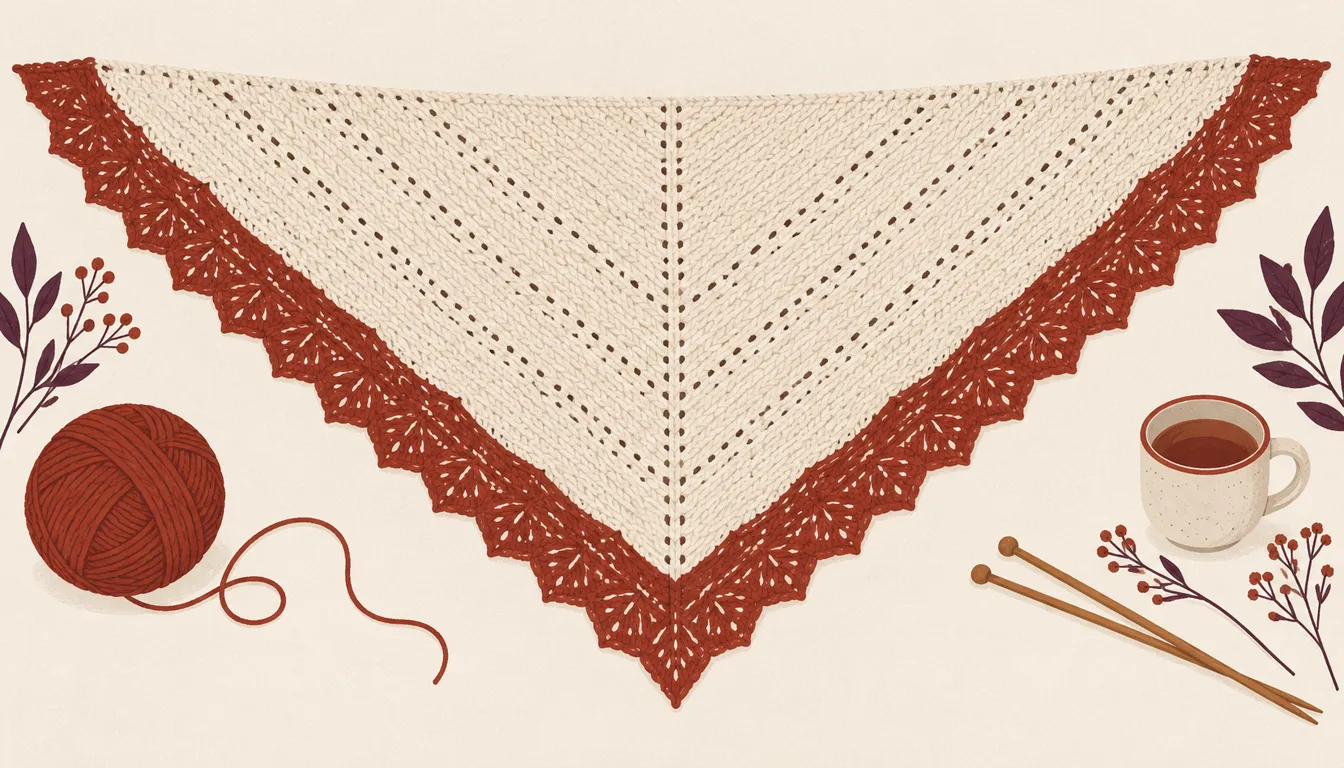
A knit shawl is shaped fabric that you can wrap around your shoulders or neck. Choose the shape before the yarn: a triangle, crescent, rectangle and half-pi each drape differently. Smooth wool can show texture and lace clearly, while plant fibers give a different weight and feel. Start with a published pattern whose increases and finish you can follow.
The short answer: Pick a knit shawl by shape, size and drape. A garter triangle is a useful starting route; a rectangular wrap keeps shaping simple. Fine yarn gives light fabric, while thicker yarn makes a warmer wrap. Match the pattern's yarn and gauge, use needles that hold the growing width, and plan washing or blocking before casting on.
Choose a knit shawl shape
The chunky knit blanket guide gives you the wider beginner project route. A shawl builds on flat knitting but may add increases, short rows or lace. If you prefer a narrower project, compare the knit scarf pattern guide first.
- Triangle: The fabric grows toward a point or away from a center starting area, depending on the pattern. It can wrap at the neck or sit across the shoulders. The Grain pattern is a sourced garter triangle route.
- Crescent: A curved top edge helps the shawl sit around the neck and shoulders. The shaping may use increases or short rows. Read the pattern's method before choosing it as a first project.
- Rectangle: A broad scarf-like wrap keeps the outline simple. Texture, yarn and edge treatment give it interest. The Wheat scarf source shows a rectangular fabric with beginner texture.
- Half-pi: A half-circle style spreads outward from its starting area. The pattern controls the increase rhythm. Choose a published version rather than deciding the shaping rate from the name.
A square wrap folded diagonally is another option. Purl Soho's Half + Half Triangles Wrap uses that route with a short-row technique. It is a different construction from a triangle grown with regular increases.
Real knit shawl and wrap patterns
Grain from Tin Can Knits: a garter triangle
Grain is a free pattern designed for different yarn gauges. The listing describes a garter shawl and names several needle sizes with linked tutorials. Its sample yarn amount and gauge belong to the sample shown, so read the full pattern for the weight you choose.
Choose it if you want simple fabric and shaping practice. Garter ridges make the surface easy to read. Make a sample in your yarn before deciding that a thicker or finer version has the drape you want. A shawl you plan to wear near your face should feel comfortable against your skin.
Half + Half Triangles Wrap from Purl Soho: a folded square
The free Half + Half Triangles Wrap uses fingering yarn and US 3, or 3.25 mm, needles. Its source lists a wool, alpaca and linen blend. Short rows build the color areas within a square wrap.
Choose it if you like garter fabric and want to learn that shaping method. A short row turns before the row's usual end, adding depth to one area. Follow the designer's turning method and notes. Check the listed yardage before choosing a larger version, since a broad wrap is a substantial yarn project.
Wheat from Tin Can Knits: a rectangular route
The free Wheat source describes a reversible scarf with knit-and-purl texture. Its sample uses worsted yarn and US 8, or 5 mm, needles. This is a scarf pattern rather than a shaped shawl, and it is useful when that long rectangular style is what you want.
Choose the published size if it meets your needs. For a broader wrap, find a pattern written for that width instead of changing a repeat without checking it. Our triangle scarf guide gives you another shape to compare before shopping.
Yarn weight and fiber for the drape you want
Fine yarn can make light fabric, but it also means smaller stitches and more knitting at a given size. A thicker yarn can make a warm wrap with clear ridges. Weight alone does not tell you how the shawl will feel; fiber, stitch and gauge all matter.
The aran yarn guide is useful for medium-weight choices. The linen yarn guide explains a plant-fiber option. Use the yarn substitution guide if the named yarn is not available. Compare length and fiber as well as the weight label.
Make a sample and wash it according to the label. Check whether it bends, stretches or grows. Lace needs enough space for its holes to show; garter needs enough softness to fold well. If the sample feels stiff, reconsider the pattern and yarn combination before buying the rest.
Choose smooth yarn when you want to see shaping and texture. A busy color can hide a delicate lace design. A fuzzy yarn can make undoing a mistake harder. For a first shawl, a clear stitch is useful while you learn the pattern's rhythm.
Needles, markers and reading the shaping
Use the beginner knitting needle guide for materials and shapes. A long circular cable can hold a growing shawl while you work flat. The tip size affects gauge; the cable helps carry the width. Check both in the pattern's tool list.
Place markers where the designer asks for them. They can divide a border, center line or repeat. Count at the pattern's checkpoints, especially after an increase section. If the count changes unexpectedly, compare each section before continuing.
Keep a note of the last row completed. A shawl's long rows can make an error hard to find after a break. Read chart keys and abbreviations before starting a lace section. The Craft Yarn Council knitting abbreviations list helps with common terms, while the designer's key defines the pattern's own symbols.
Blocking, washing and wearing the shawl
Blocking is the process of dampening or washing fabric and letting it dry in the desired shape. The pattern may use it to open lace, smooth edges or set the outline. Follow the yarn label's care needs and the designer's shape advice.
Test the care method on your sample first. Do not assume every wool blend or plant fiber responds the same way. Spread the shawl out with its weight supported and smooth it gently. Check the edges after it is fully dry before deciding whether more shaping is needed.
Store the shawl clean and dry. Avoid hanging a heavy wet wrap from a narrow point. When wearing it, try the point at the back, side or front to find the arrangement you enjoy. The shape you chose should make that use easy.
For your next garment, the sweater pattern guide adds body fit and gauge choices to the fabric skills learned here.
Knit shawl FAQ
Is a shawl a good beginner project?
A simple garter design can be a useful next project after a scarf. Choose clear instructions for the shaping and a yarn that lets you see the stitches. Lace, short rows or a complex border add skills, so read the whole pattern before judging from its shape.
Do I need circular needles?
Circular needles are useful for a growing shawl because the cable holds the width. Many shawls are still worked flat, with a turn at each row's end. Use the length and tip size the pattern recommends, then check gauge with the yarn you plan to use.
Can I use chunky yarn for a shawl?
Yes, with a pattern that supports that yarn and gives a fabric you like. Thick yarn can make a heavy wrap. Test the drape on a washed sample. A pattern written for fine yarn may need a different size plan rather than a direct yarn swap.
Does every shawl need firm blocking?
Follow the pattern and fiber. Lace may need shaping to show its design, while a plain garter wrap may need only gentle smoothing after washing. Test first, and avoid pulling harder than the yarn can handle. The aim is a useful shape and comfortable fabric.
Verdict on a knit shawl
Choose a knit shawl shape that suits how you will wear it, then use a real pattern to plan yarn and shaping. A garter triangle or rectangular wrap can be a clear starting point. Check drape and care on a sample before committing to a broad piece.