
3 Best Knit Top Yarns and Needles for Fit and Drape in 2026
The short answer
Pick a fingering or DK weight yarn with real drape, keep the neckline simple for your first try, and block before judging the fit.
Sections9
- #1. About Strings Lazy Wool merino-cotton DK: Best overall
- #2. KnitPro Symfonie Terra Fingering Merino: Best for a lighter top
- #3. KnitPro Mindful Believe interchangeable needle set: Best tool
- Factors to consider when choosing knit top yarn
- Yarn Weight and Drape for a Knit Top
- Choosing a Neckline and Sleeve Style
- Getting the Fit and Ease Right
- Knit Top FAQ
- Verdict on Knitting a Top
Our top 3 picks
A knit top is a smaller, faster project than a full sweater. That makes it a good place to practice fit and finishing before a bigger piece. Most knit tops you find shopping online are ready-made. This guide covers knitting your own, with a focus on the choices that decide how it drapes and fits.
Choose a yarn for its drape and fiber content before you choose it for color.
#1. About Strings Lazy Wool merino-cotton DK: Best overall
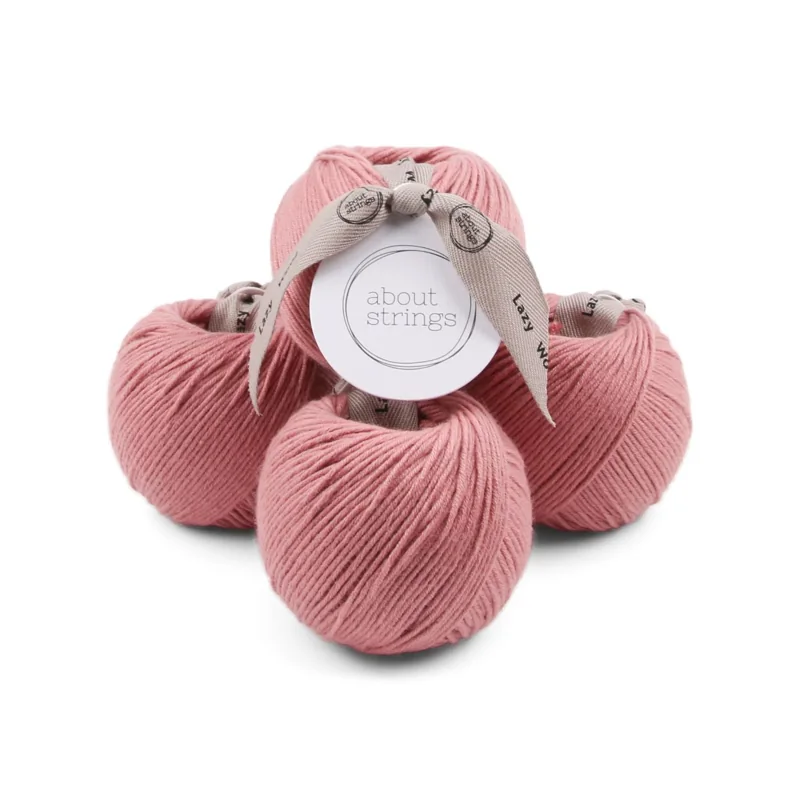
About Strings Lazy Wool merino-cotton DK
Our verdict:
Best overall
Best for a knit top that balances drape with a steady knitting pace.
View at About StringsKeep in mind: buy enough yardage for your size and length; the maker page offers individual colors rather than the old four-pack.
About Strings Lazy Wool combines merino and cotton at DK weight. Match the pattern's gauge and buy enough yardage for the top's size and length.
#2. KnitPro Symfonie Terra Fingering Merino: Best for a lighter top
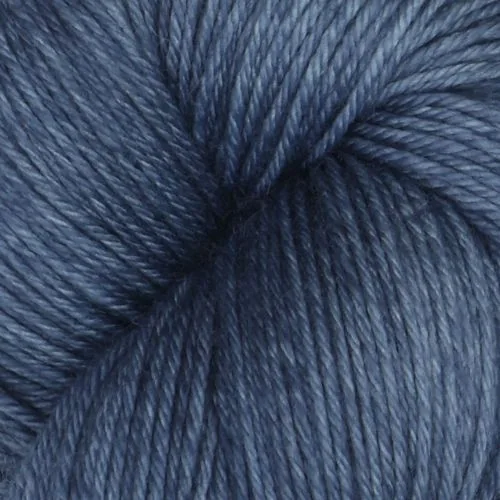
KnitPro Symfonie Terra Fingering Merino
Our verdict:
Best for a lighter top
Best for a close-fitting, lightweight summer top.
View at Symfonie YarnsKeep in mind: Fingering weight takes many more rows than DK, so a top is a longer project.
KnitPro Symfonie fingering weight merino suits a close-fitting summer top.
#3. KnitPro Mindful Believe interchangeable needle set: Best tool
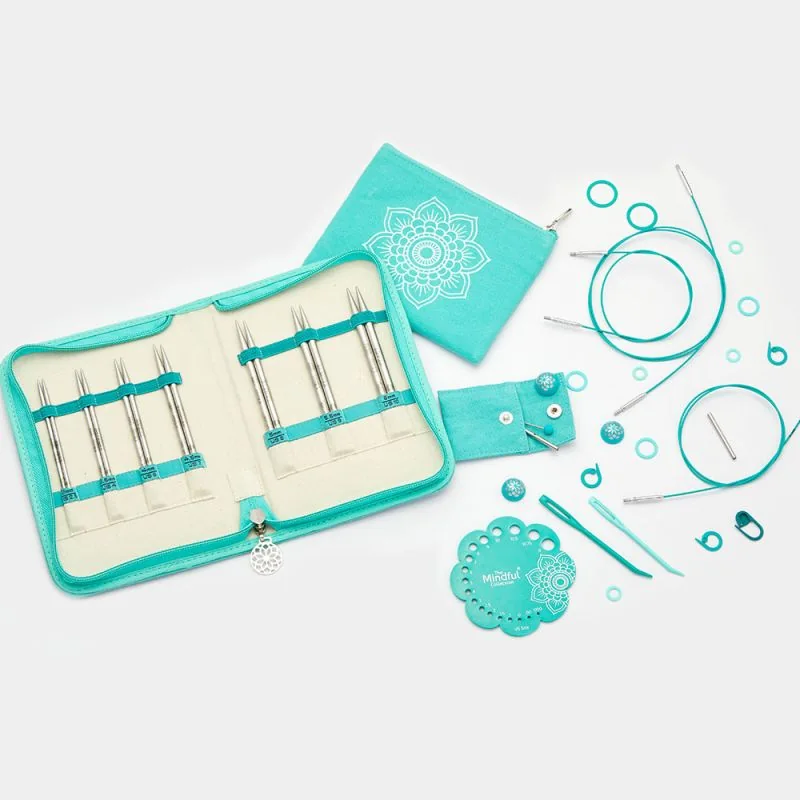
KnitPro Mindful Believe interchangeable needle set
Our verdict:
Best tool
Best for using stainless steel needles for fine to medium-weight garment projects.
View at KnitProKeep in mind: check the included sizes against your pattern; the seven-pair set covers 3 mm to 6 mm.
The KnitPro Mindful Believe set has seven pairs of stainless-steel interchangeable tips from 3 mm to 6 mm. Check the size range against the garment pattern and make a gauge swatch before you start.
Factors to consider when choosing knit top yarn
- Drape. Cotton blends and fine merino hang softly. Stiffer yarn makes a boxier top.
- Weight. Fingering and DK weights suit tops. Heavier yarn turns a top into a sweater.
- Ease. Check the pattern's finished bust measurement, not only the size label.
- Needles. An interchangeable set lets you swap sizes if your swatch is off.
- Care. Pick a yarn whose care label fits how often you will wash the top.
Yarn Weight and Drape for a Knit Top
Fingering weight yarn suits a lightweight, close-fitting top, pairing with a US 1-3 (2.25-3.25mm) needle. It drapes softly but takes longer to knit, since more stitches fit into every row.
DK weight yarn is a faster-knitting option, pairing with a US 5-7 (3.75-4.5mm) needle. It suits a slightly more structured top than fingering weight does.
Drape matters more for a top than for a sweater worn over other layers. A fiber with some natural weight, like a cotton-wool blend, tends to hang better against the body. A very light, airy fiber can look boxy on a fitted top.
Choosing a Neckline and Sleeve Style
A crew neckline is the simplest place to start. It needs no special shaping beyond a plain bind-off or a short ribbed edge. A V-neck or scoop neck adds shaping decisions that are easy to get wrong on a first attempt.
Sleeveless and short-sleeve knit tops are both good beginner choices. Short sleeves add one extra step: tapering the sleeve width. But they stay simpler than a full long sleeve set into a shaped armhole.
If a pattern gives you a choice, pick the version with the fewest shaping decisions for your first knit top. Add sleeve or neckline shaping once you are comfortable with the base construction.
Getting the Fit and Ease Right
Look at the pattern's finished bust measurement, not your usual ready-to-wear size. Compare it to your own measurement at your preferred ease. A close-fitting top uses little to no positive ease. A relaxed top uses a few extra inches.
Knit fabric stretches more than woven fabric. A knit top with zero ease can still fit comfortably in a way a woven top with the same numbers would not. Check the pattern's own ease guidance rather than guessing from a garment in your closet.
Block your finished top before you decide the fit is wrong. Many knit fabrics relax and drape differently once washed and laid flat to dry. An unblocked top can look tighter or shorter than the finished piece will be.
If the top is knit in pieces, measure the back and front against the pattern's schematic as you go. Checking length at the underarm before you start the armhole shaping is far easier than ripping back later.
Knit Top FAQ
What yarn weight works best for a knit top?
Fingering or DK weight both work well. Fingering gives a lighter, more close-fitting result; DK knits up faster and suits a slightly more structured top.
How do you get a knit top to drape instead of cling?
Pick a fiber with some natural weight, like a cotton-wool blend, rather than a very light, airy yarn. Blocking the finished piece also helps the fabric settle into a better drape.
What neckline is easiest for a first knit top?
A crew neckline is the simplest, needing only a plain bind-off or short ribbed edge. Save a V-neck or scoop neck, which both add shaping steps, for after your first top.
Does a knit top need blocking?
Yes. Blocking helps the fabric relax into its real drape and can change how the fit and length look compared to the piece straight off the needles.
How much yarn does a knit top use?
Less than a full sweater, since a top uses less fabric overall. Buy the exact yardage the pattern lists for your size, plus a little extra if you plan to add length.
Verdict on Knitting a Top
A knit top is a realistic, faster project than a full sweater, and a good place to practice fit before a bigger piece. Pick a fingering or DK weight yarn with real drape, keep the neckline simple for your first try, and block the finished piece before judging the fit.